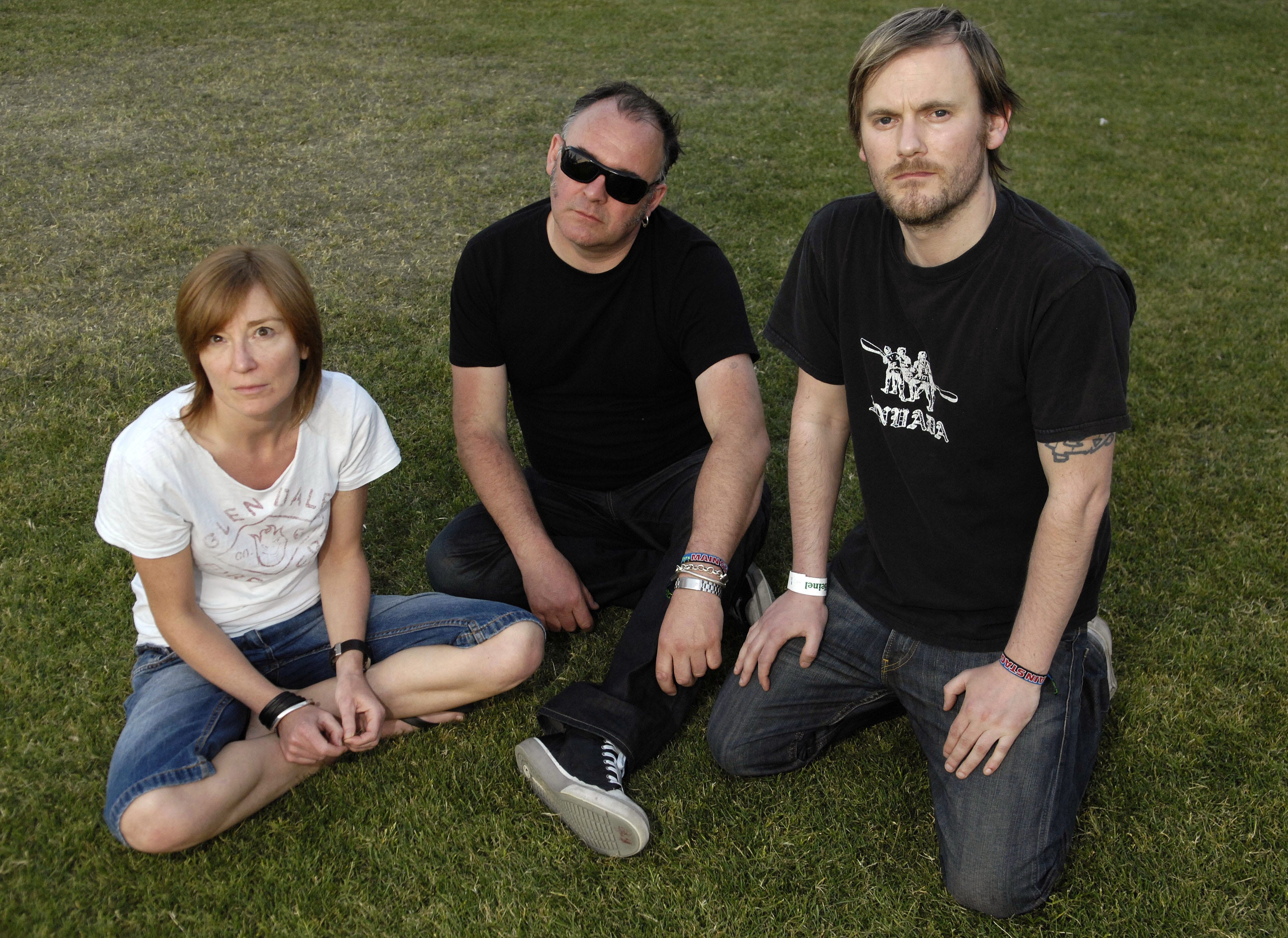
Laying the Groundwork: Dummy by Portishead Album Review
One of hip-hops forgotten influences gets a deeper inspection

Modern day hip-hop is a genre that is both clear about and very proud of its origins. It’s one of the only musical genres today that can be tracked to not only a starting time period and location—New York City in the early 70s—but even to a specific band and song: Sugar Hill Gang. So, the origins of the 20th Century’s biggest genre are obvious, or at least appear to be on the surface.
The truth about the genre is far more nuanced of course, the current decade has seen an astronomical rise in R&B, soul, and jazz influences into the rap game, while never straying too far from what makes hip-hop what it is. In even more recent times artists like JPEGMAFIA, Young Thug, Lil Uzi, and more have been pushing new boundaries by incorporating rock, heavy metal, and screamo into their music, but this is all a phenomenon for a different article. What I hope to illustrate in this introductory paragraph is that the origins of rap may not be as straightforward as we believe, and a lot of the sounds we are familiar with hearing on the top charts today had their early beginnings much earlier in a plethora of different genres.

So it might surprise you that the album I want to review today, one of these albums which would unknowingly go on to shape the world of hip-hop and the music industry as we know it today, is from an electronic British band from the 90s. An album whose sounds will be familiar to every person today who has heard even one modern rap project: Portishead’s classic debut studio album “Dummy” from 1994. Although the project found success and the band found fame in its own right, it was never appreciated for what it did to help lay the foundations of rap music today, and I hope to demonstrate somewhat why it deserves its flowers from the rap world, or at the very least to spark some curiosity in any readers.
The first thing a listener will notice about the album is how unique the sound is. As the keys begin in the opening track “Mysterons” and you are lulled into a false sense of familiarity, you are immediately sidelined by trademark record scratches, a haunting synthetic melody and a gritty, heavy drumline. This is all before the star of the album, singer Beth Gibbons, leads with a soulful and airy voice that feels almost alien in front of the instrumental. This song, like every song on the album, is incredibly stripped back. The combination of vocals, high hats, trap drums, and beat changes create a celestial, almost hypnotic feeling that is difficult to ignore.
“To pretend no one can find
The fallacies of morning rose
Forbidden fruit, hidden eyes
Courtesies that I despise in me”
- Sour Times
You would be forgiven for believing that the sound, which stands out so starkly, is the star of this album, but in fact, it is the themes discussed in the lyrics which are the most profound. While the opening track greets us with lyrics touching upon topics of mortality, God, and the intentions of a higher power (no need to ease into the big topics apparently), the rest of the album paints a vivid story of the profound grief, loneliness, and complexities, of a painful breakup.
The next song, “Sour Times”, depicts the story of Beth longing for an adulterous, or at the very least a morally ambiguous, love affair. She grapples with the inner conflicts of a struggle to find genuine connection and love after being hurt in the past. The songs which follow, including “It Could Be Sweet”, “Pedestal”, and “Biscuit” continue this theme, capturing in almost graphic detail Beth’s struggle with loneliness, guilt, and suicidal thoughts throughout the process of heartbreak and healing which takes place across the album.
“I'm fooling somebody
A faithless path I roam
Deceiving to breathe this secretly
A silence, this silence I can't bear”
- Numb
The album also delves into deeper, more philosophical questions. The theme established in the intro of the existence of higher powers re-enters the album in the tracks “Wondering Star”, “Numb” and “Pedestal” as Beth engages in open dialogue about her sinful ways, her guilt, and whether or not she deserves to have a place in paradise. All of this is conveyed over rhythmic, experimental melodies which equally echo at all times the sentiments of the singer.
The production on this album squeezes blood from a stone. It has minimal wasted aspects and absolutely zero padding to fill space. Every song is given time to develop its sound and establish its place in the artwork, without ever taking up too much room. A critique I may have is that in developing this cohesive sound, songs may fade into the background, not so much as to be forgettable, but enough to lose strong individual identities, the hallmark monotony of some of the songs may also be an obstacle for a first time listen.
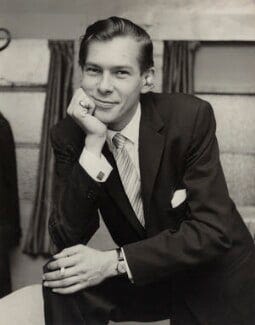
While on the topic of the production of the album, the sampling work that was done is truly worth pointing out, with my particular favourite being the string section and vocals from Johnnie Ray’s “I’ll Never Fall in Love Again” that is sampled on “Biscuit”. The classic 1950s bubblegum pop song slowed down to 16bpm and morphed into an eerie and haunting refrain which, in this new context, is less of a love song, and more a reflection on pain and regret.
Every aspect of the album, musically, lyrically, and conceptually, all culminate in the climax of the record. The outro, the best and by far the most powerful song of the experience, “Glory Box” brings together the themes of regret, loneliness, and womanhood this time with an empowered and unwavering aura. Beth has gone through the pain, and emerged on the other side more in touch with herself, she is no longer the “Dummy“. This is contrasted by the anxious, almost indecisive guitar track, reverberating the journey the singer has been on throughout the record. Featuring a searing instrumental and eery vocals, it is a grand finish to the album.
“From this time, unchained
We’re all looking at a different picture
Through this new frame of mind
A thousand flowers could bloom
Move over and give us some room”
- Glory Box
So in short – this album has a lot to say. About commitment, love, and loss. About sin, guilt and sorrow. About God, perspective, and knowledge. All in an incredibly unpretentious way, while staying true to the experimentally fresh sounds it set out to display. The album undoubtedly influenced the rap world today, and many of these influences can still be heard in the work of artists today. The production of Travis Scott’s “Utopia”, the sampling of Kendrick Lamar’s “Damn”. With stripped-back, mesmerizing instrumentals, “Dummy” perfectly blends trap and soul to create something truly unique. With lyrics that read more like poetry and a story of insecurity and solitude that any listener can in some way relate to, Portishead has created a body of work far more expansive than anything I could write about here.
If you feel like you haven’t heard anything refreshing in hip-hop for a while, this might be worth your time.
Lots of Love
Alejandro